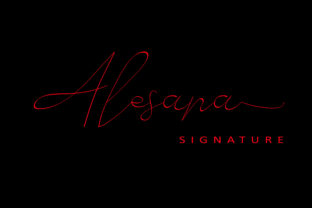
Alesana: Elevate Your Designs with a Modern Script
The right typeface can transform a design from ordinary to extraordinary, and Alesana is a modern and fresh signature script that proves this point beautifully. This typeface offers a stylish handwritten look, perfect for adding a natural and classy touch to your designs. For graphic designers, marketers, and business owners seeking to inject personality and authenticity into their visual communication, understanding the strategic use of a font like Alesana is key to creating compelling brand identities and engaging creative projects.
What is Alesana and Why Does it Matter?
Alesana is a contemporary script font characterized by its elegant, flowing letterforms that mimic natural handwriting. In an era where audiences crave genuine connection, script typography plays a crucial role in graphic design. It bridges the gap between digital precision and human touch, making brands feel more relatable and trustworthy. This font is not just a decorative asset; it's a tool for effective visual communication, helping to establish tone, evoke emotion, and create a distinct visual hierarchy that guides the viewer's eye.
Practical Applications for Modern Design
The versatility of a signature script like Alesana allows it to shine across numerous applications, enhancing both aesthetics and functionality. Its ability to convey elegance and approachability makes it a valuable creative asset in a designer's toolkit.
- Branding and Logo Design: Alesana excels at creating memorable logotypes for brands that want to project sophistication, creativity, or a personal touch. It's particularly effective for lifestyle brands, boutique agencies, wedding services, and artisanal products.
- Marketing and Social Media Graphics: Use it for headlines in digital marketing campaigns, quote graphics, or call-to-action buttons to increase visual interest and user engagement on platforms like Instagram and Pinterest.
- Editorial and Web Design: Implement Alesana sparingly for pull quotes, subheadings, or author names in editorial layouts and web design to break up text-heavy content and add visual flair without compromising readability.
- Packaging and Merchandise: From product labels to tote bags, this script adds a premium, handcrafted feel that can elevate packaging design and physical merchandise.
Integrating Typography into Your Design Workflow
Successfully incorporating a font like Alesana requires more than just selection; it demands thoughtful integration into your broader design system. Consider these factors for maximum impact:
- Readability and Scalability: Test the font at various sizes. Script fonts are best suited for large headlines or short phrases, not body copy. Ensure it remains legible when scaled down for different contexts.
- Visual Hierarchy and Contrast: Pair Alesana with a clean, simple sans-serif or serif font for body text. This contrast creates a clear hierarchy, allowing the script to command attention where it matters most without causing visual clutter.
- Audience and Brand Alignment: Evaluate if the font's style aligns with your target audience's expectations and your brand's core values. A playful script may not suit a corporate law firm, but could be perfect for a creative studio.
- Color Palette and Composition: The font's impact is influenced by its context. A sophisticated color palette and balanced composition will amplify its classy aesthetic, while poor supporting elements can diminish it.
Ultimately, the power of a design asset like Alesana lies in its ability to enhance communication and strengthen brand identity. Thoughtful typography choices are fundamental to professional presentation, influencing everything from user experience to emotional resonance. By selecting and applying quality creative assets with intention, designers can ensure their work not only looks beautiful but also communicates the right message with clarity and style, driving success in any creative project.