Lettering: The Magic of Script Fonts in Modern Design
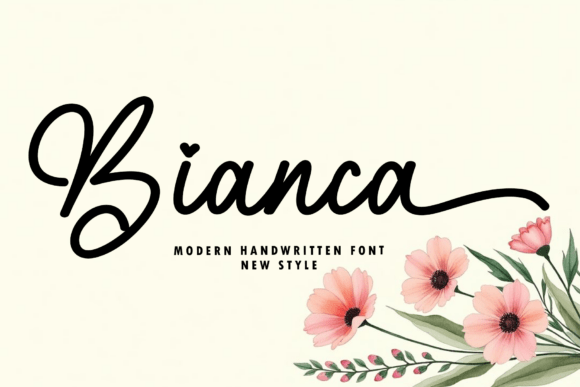
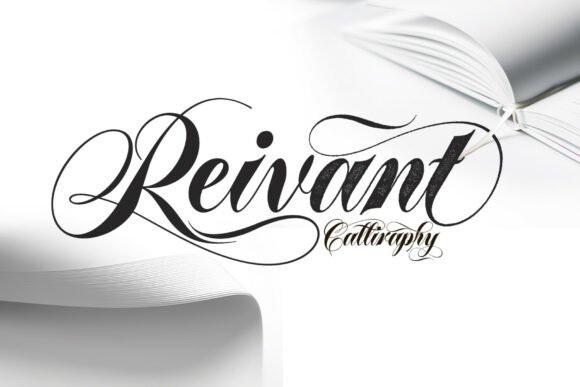
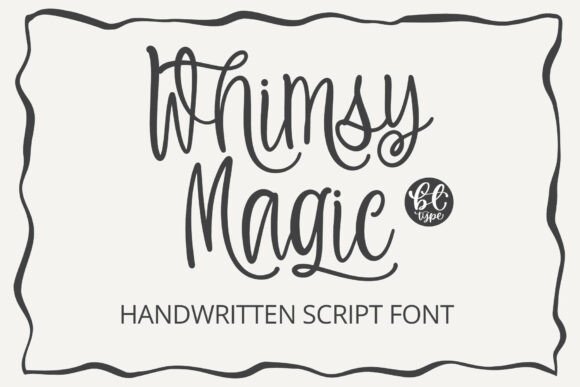
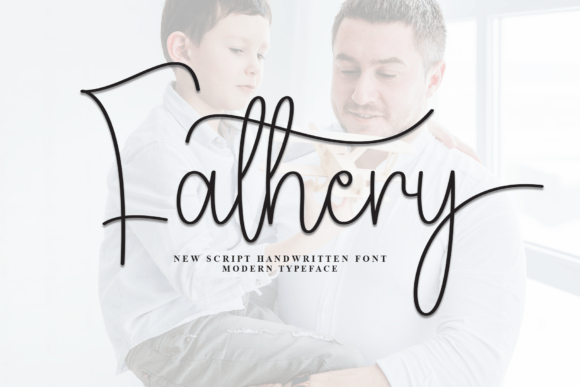
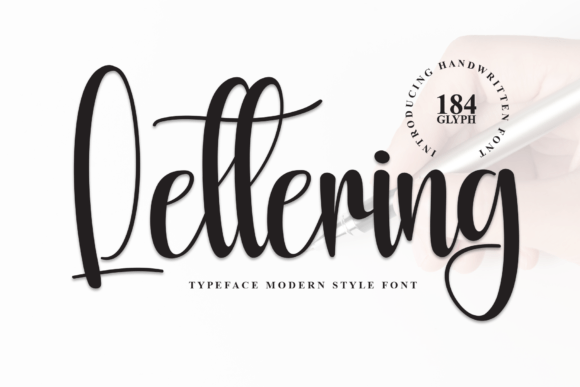
In the vast universe of typography, few styles capture emotion quite like a well-crafted script. Lettering is a magical script font carefully created with a touch of elegance. Whether you’re looking for fonts for Instagram or calligraphy scripts for DIY projects, this font will turn any creative idea into a true piece of art. However, the true value of such a typeface extends far beyond its visual appeal; it serves as a strategic asset in graphic design, capable of transforming standard communication into memorable visual design. For designers, marketers, and business owners, understanding how to leverage script typography is essential for creating authentic connections with an audience.
The Role of Typography in Visual Communication
Typography is the voice of design. While sans-serifs often shout professionalism and serifs whisper tradition, scripts like Lettering speak with a personal, human touch. This is particularly vital in branding. A brand identity relies on consistency, but it also needs personality. Incorporating a script font into a logo design or visual system can instantly soften rigid corporate edges, suggesting approachability and creativity. It guides the viewer’s eye through visual hierarchy, emphasizing key phrases or headers without overwhelming the layout.
When selecting a typeface for a project, readability is paramount, but so is mood. A font like Lettering offers the fluidity of hand-drawn calligraphy with the precision of digital vectors. This balance is crucial for modern aesthetics, where consumers crave authenticity but demand professional presentation. It bridges the gap between the organic warmth of handwriting and the scalability required for digital platforms.
Practical Applications for Creative Assets
The versatility of a high-quality script font makes it one of the most valuable creative assets in a designer's toolkit. Its application spans across various mediums, enhancing the user experience and visual impact.
- Social Media Graphics: On platforms like Instagram, where visual noise is high, script fonts add a layer of sophistication to quote graphics, announcements, and story highlights.
- Web Design and UI: Used sparingly, scripts can improve UX design by breaking up blocks of text and drawing attention to Call-to-Action (CTA) buttons or hero section headlines.
- Packaging Design: For products aiming for a premium or artisanal feel, Lettering can elevate the unboxing experience, conveying quality before the product is even used.
- Editorial Design: In magazines or blogs, drop caps and pull quotes in script fonts create a dynamic visual hierarchy that keeps readers engaged.
Integrating Scripts into Your Design Workflow
To effectively use a font like Lettering, one must consider the broader color palette and composition. Scripts often work best when contrasted with a simple, geometric sans-serif. This contrast ensures legibility while maintaining visual design balance.
When working on creative projects, consider these factors:
- Context and Audience: Ensure the script style aligns with the target demographic. An elegant script fits a wedding invitation or luxury brand, whereas a bolder brush script might suit advertising campaigns for energetic products.
- Scalability: Test the font at various sizes. A font that looks beautiful in a headline must remain legible when scaled down for mobile UI design or merchandise.
- Whitespace: Script fonts often require more breathing room than standard typefaces. Adjust kerning and leading to allow the letterforms to shine without clutter.
Ultimately, the choice of typography defines the quality of a design workflow. By incorporating thoughtful, elegant scripts into your digital marketing materials, presentations, and print designs, you do more than just decorate a page—you craft a narrative. Quality creative assets like Lettering allow you to refine your message, ensuring that every interaction a customer has with your brand is both aesthetically pleasing and deeply communicative. In a crowded marketplace, these subtle details of visual hierarchy and style are what distinguish a good design from a great one.